When an air conditioner falls behind, the cause is almost never mysterious. It is a short list of common problems, most of them inexpensive to correct, and in Milton a plain-language look at that list is often all a homeowner needs to know what to do next.
Cooling Is Only Half the Job
An air conditioner does two jobs at once: it lowers the air temperature and it pulls moisture out of the air. On a dry day, one job is easy. During a humid Ontario summer stretch, your system fights both at the same time, and the moisture half is the one that quietly wears it down.
Humid air also feels warmer than it actually is. Twenty-six degrees on a dry afternoon is pleasant; the same twenty-six degrees with heavy July moisture feels sticky and heavy. Your thermostat reads the temperature, not your comfort, so the system keeps running while the house never quite feels right.
Clues It's Age and Not Maintenance
Recovery is slowing. The house eventually cools, but evenings take longer every year. Rising repair frequency. Two or more repairs in a season on a unit past the decade mark points toward replacement math. Humidity creeping upward. Older coils dehumidify less, so comfort fades even at a reasonable temperature.
The Equipment Issues
An aging unit. Capacity fades with age, and a system that once handled humid heat easily now runs all afternoon, especially once the weather turns muggy. An undersized unit. If the equipment was never matched to the home, it will fall behind every summer no matter how well it is maintained. Both issues often get misread as a maintenance problem, which is why testing beats guessing: a technician can measure capacity directly instead of assuming.
Refrigerant, the Building, and the Fix
Low refrigerant. A slow leak stretches every cycle and can eventually damage the compressor. Poor insulation and air leaks. Warm, humid air leaking in through the attic, windows, and doors adds load the equipment was never meant to carry; sealing gaps and adding insulation can genuinely change how the system performs.
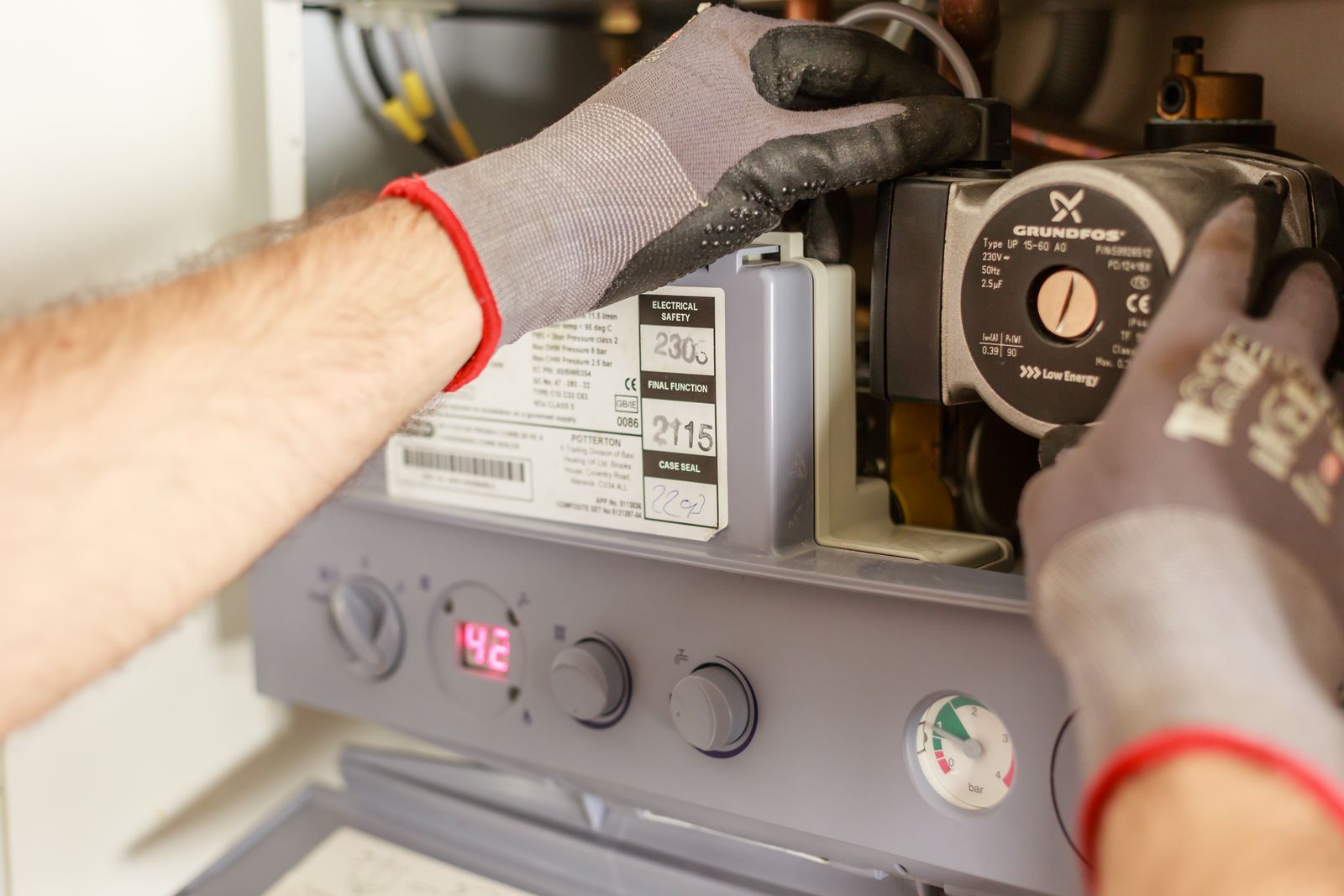
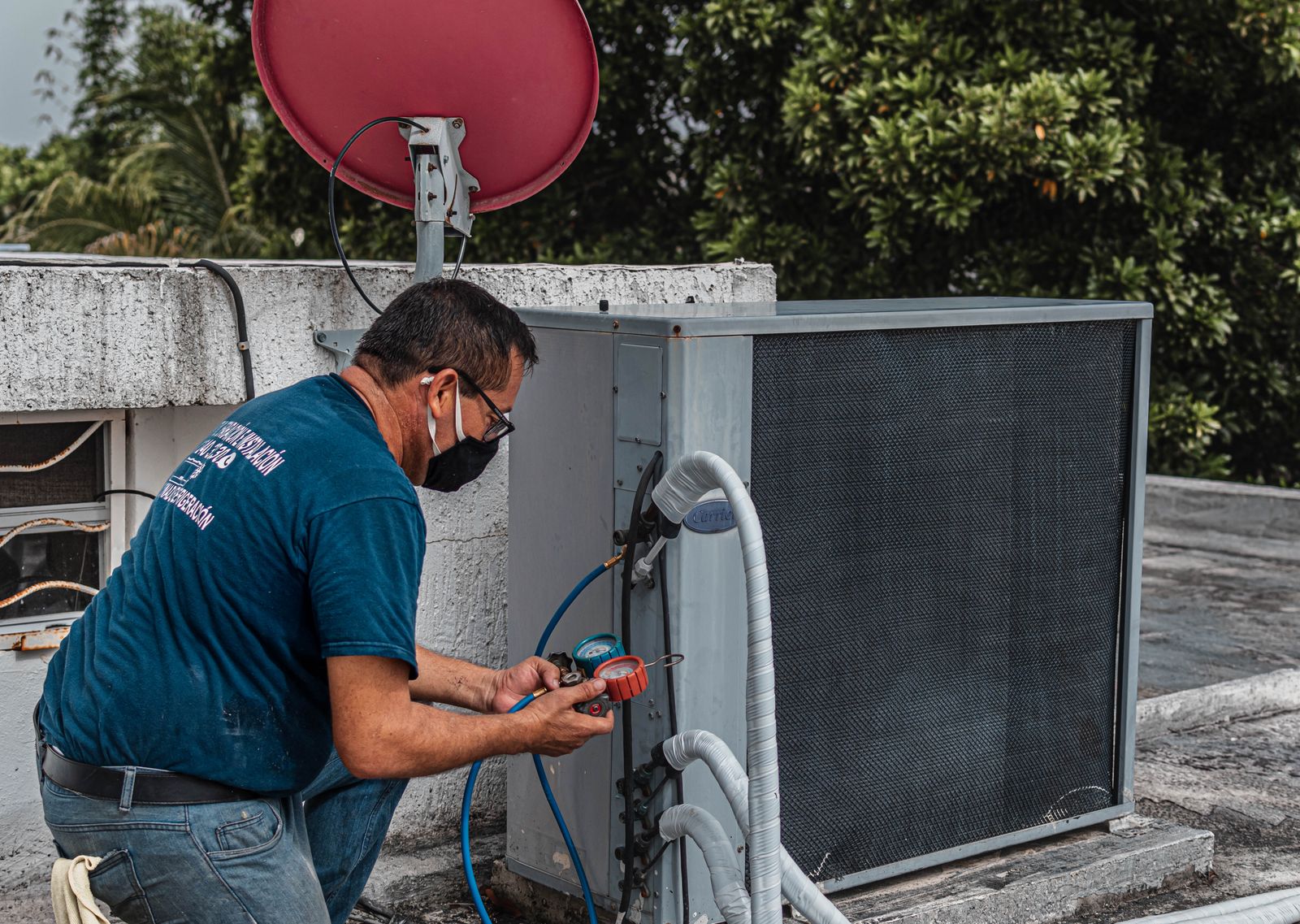
When Milton Heating & Cooling services a system, the visit covers the full chain: pressure-testing the charge, cleaning the coils, measuring airflow, and confirming the unit is sized for the home as it stands today.
Have You Checked the Filter, the Coils, and the Outdoor Unit?
A clogged filter. This is the first thing to rule out because it is the cheapest fix in HVAC. A full filter starves the blower and throttles air to every vent in the house. A dirty evaporator coil. Dust that slips past the filter settles on the cold coil and insulates it, so less cold transfers into the air moving past.
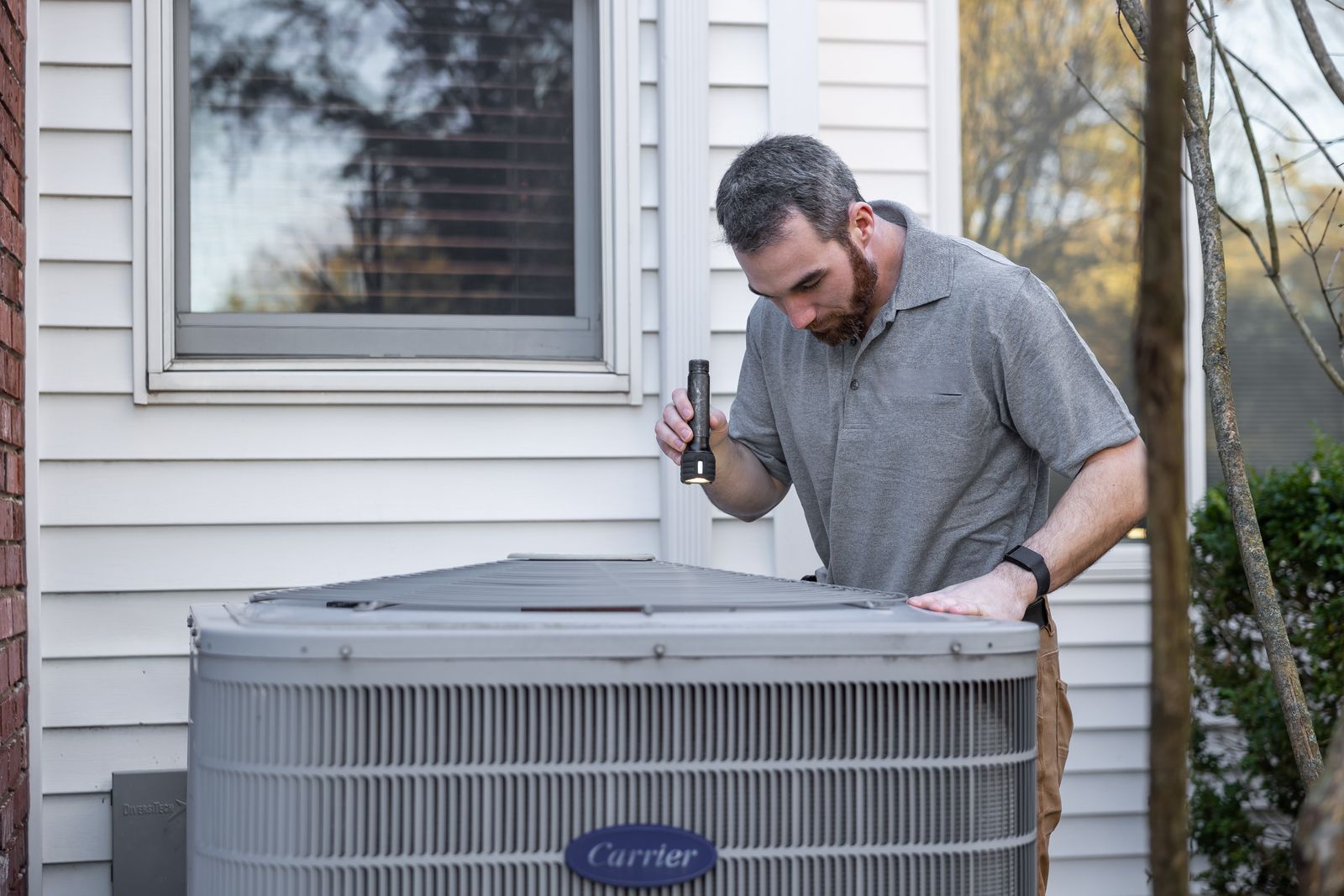
A blocked condenser. Debris, tall plants, or a dryer vent blowing nearby all heat up the outdoor coil and slow the whole system down.