Ontario weather does not do gentle transitions. Weeks of humid heat give way to months of hard freezing, and your HVAC equipment carries a Milton house through both. A maintenance calendar built around that rhythm is simple: the air conditioner gets attention in spring, the furnace gets attention in fall, and nothing heads into its busy season untested.
Spring for Cooling, Fall for Heating
Match the service to the season the equipment is about to face. Book the air conditioner between April and early June, so refrigerant, coils, and electrical parts are checked before the first long stretch of heat. Book the furnace between September and early November, before overnight lows settle near freezing and heating season starts in earnest.
Twice a year is the floor. Older equipment, heavy-use households, and homes with pets or allergies often benefit from sticking firmly to that rhythm rather than letting one of the two visits slide.
Small Jobs Between Professional Visits
The two annual appointments do not cover everything, and the gaps are where homeowners earn their keep. Filters top the list: monthly checks, replacement every one to three months, sooner in a busy or furry household. Outside, keep the condenser unit clear of leaves, long grass, and stored items, and wash dust off the fins gently with a hose. Inside, hold reasonable thermostat settings instead of cranking them, and keep the area around the furnace free of boxes so airflow and service access stay open.
What the Technician Actually Does
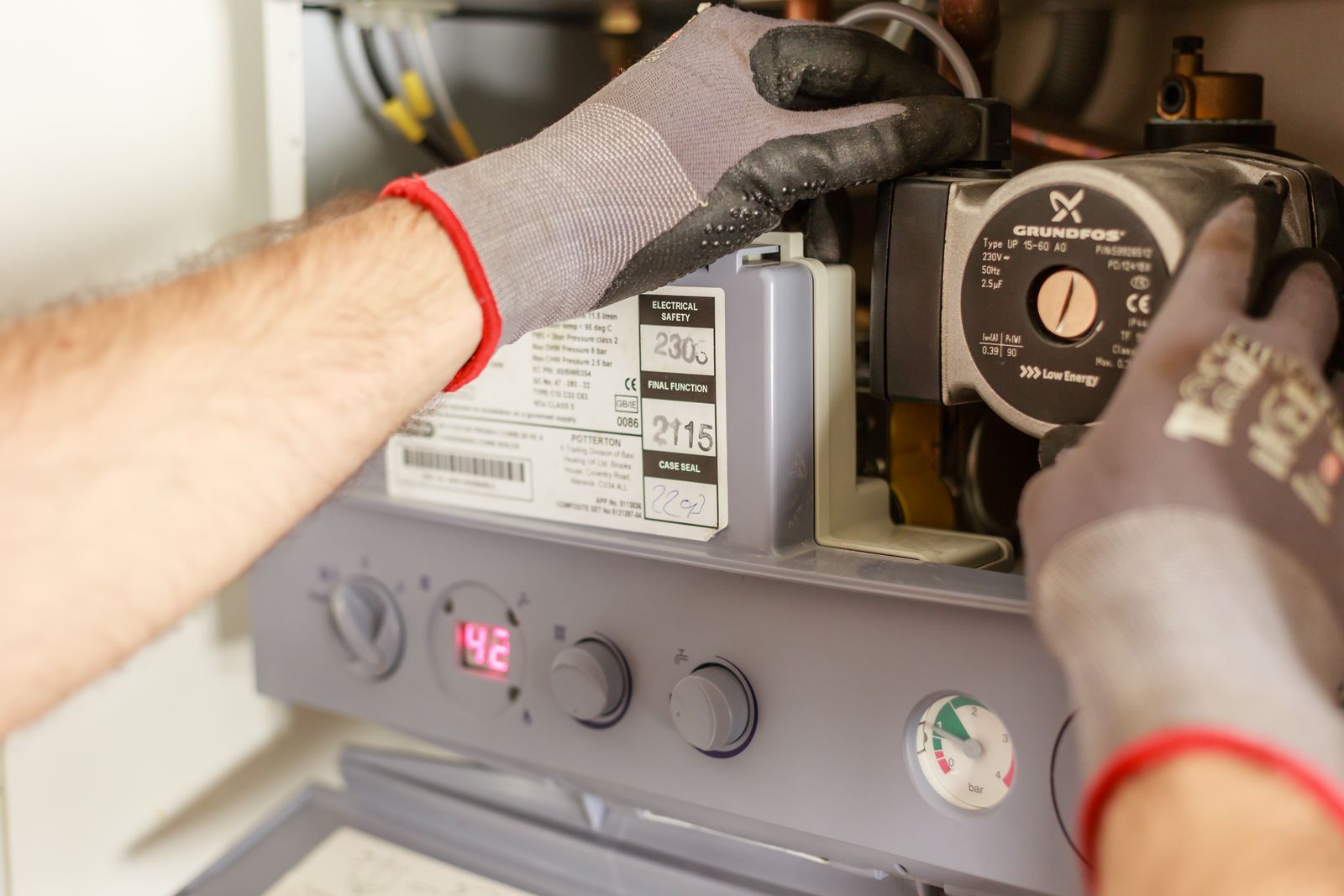
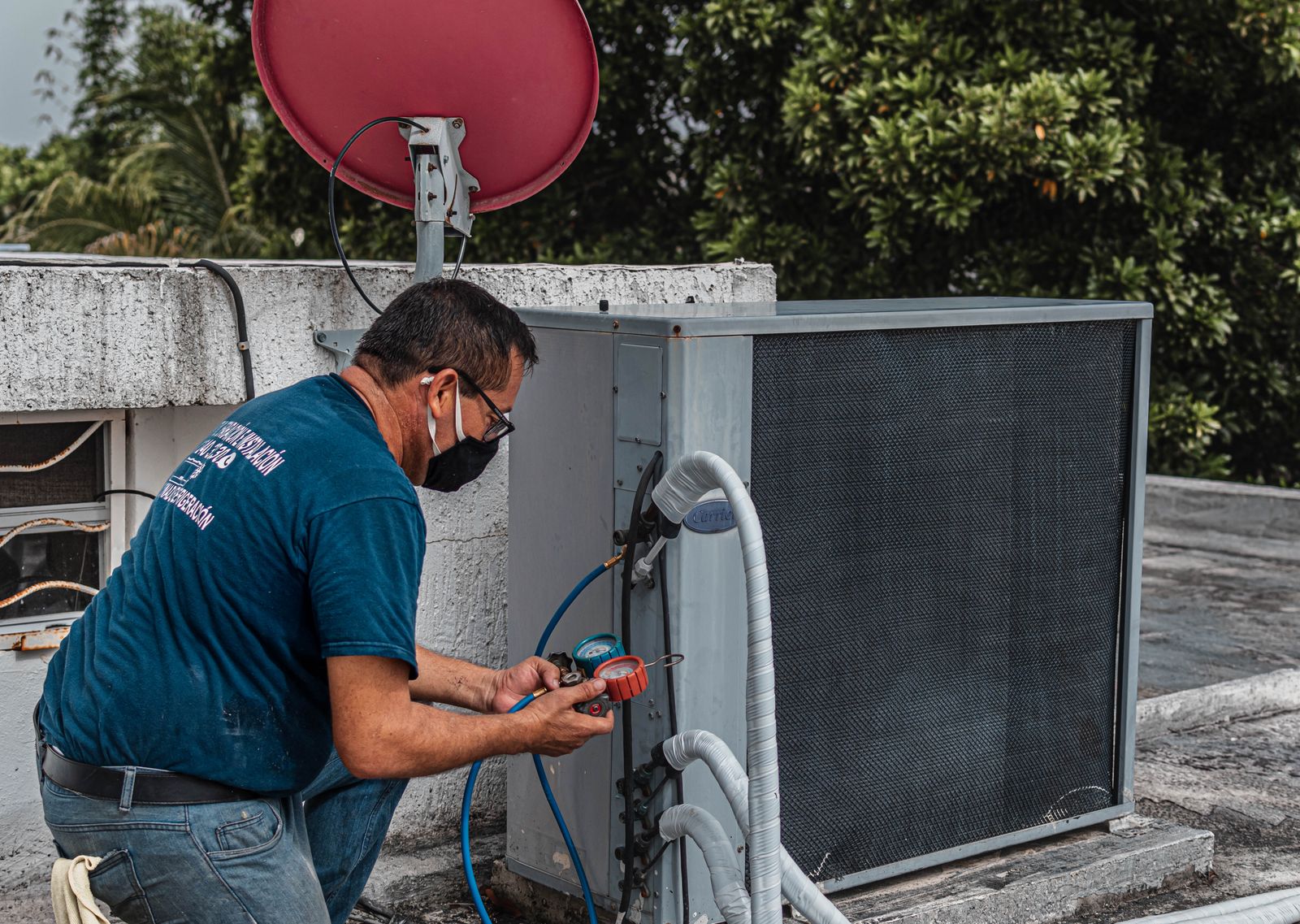
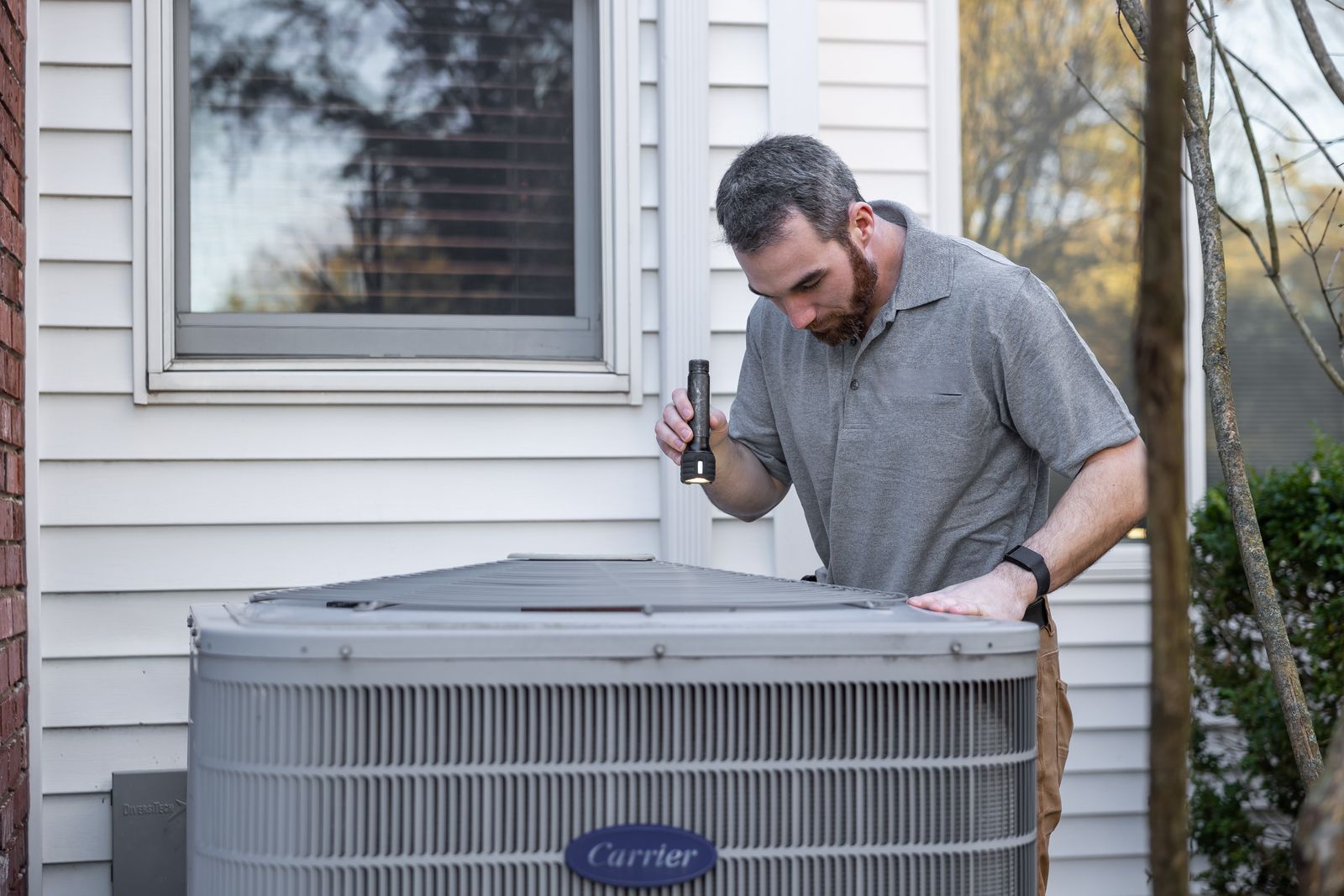
Plan on about an hour per visit, and plan on questions being answered in plain language. The cooling visit walks through refrigerant, coils, electrical parts, thermostat, and airflow. The heating visit walks through the heat exchanger, burners, gas connections, ignition, and venting, with a carbon monoxide safety review built in.
Both visits end the same way: a new filter, a system tested end to end, and a summary of anything found, from a minor adjustment made on the spot to a part worth watching next season.
The Case for Not Waiting for a Breakdown
Emergency service calls in Ontario follow a pattern: the first cold snap and the first heat wave, when every dormant problem surfaces at once and every contractor's phone rings at the same time. By then, the system has usually been under stress for weeks.
Maintenance flips that timing. Instead of reacting to a failure, you prevent it, and prevention is cheaper on every count. Repairs happen at ordinary prices, small faults get fixed before they cascade, and the equipment runs efficiently enough to shave money off monthly bills in the meantime.
The Math on Prevention
A maintenance visit costs a modest, predictable amount. An emergency repair in January or during a heat wave routinely runs several times more, with urgency pricing and a waiting list attached. That ratio holds every single year, which is why prevention wins the math.
It wins quietly as well. Systems that receive regular service use less energy, break down less often, and last longer than identical equipment that is ignored, and the difference compounds over a decade of ownership. Budgeting two visits a year is the cheapest way to own HVAC equipment in Milton, full stop.