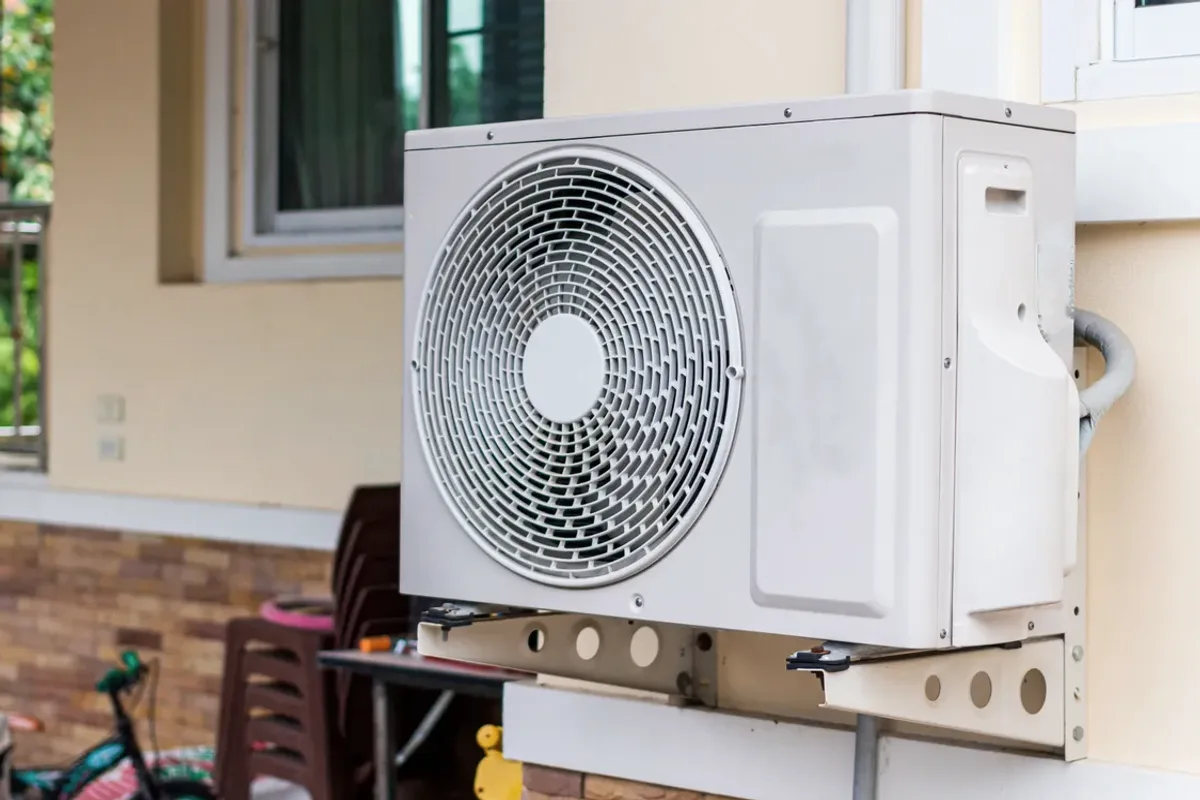
Request heat pump repair & installation for a property in Milton. Include the equipment, the problem or planned work, and your location so the request can be reviewed.
How can a homeowner tell whether a heat pump needs repair or replacement assessment?
Heat pumps provide heating and cooling, but repair and installation involve different assessments. For an existing unit, symptoms such as icing, weak heating, poor cooling, or unusual cycling need to be matched with controls, defrost operation, airflow, and refrigerant-circuit findings. For replacement, the building's heat load, existing ductwork or ductless layout, and equipment operating range inform selection. Comparing those findings keeps a repair decision separate from a new-system design.
Record the model, system type, operating mode, displayed faults, and when the symptom occurs. A professional inspection can check sensors, contactors, defrost controls, airflow, and refrigerant-circuit operation. For replacement, the assessment also considers the building heat load, duct condition or ductless zones, and equipment rating. These findings distinguish a component fault from a system-design decision.
Defrost boards, sensors, contactors, and icing symptoms
Ducted versus ductless design and cold-climate equipment selection
Refrigerant type, repair comparisons, and manufacturer-directed maintenance
Assessment and Scope
Questions for the Proposed Work
01
Diagnose defrost, sensor, and control faults
Icing and weak heating can relate to outdoor-coil conditions, a defrost board, a sensor, airflow, or another control fault. The timing and pattern of icing, operating mode, and any fault indication help guide professional testing. A contactor or board fault may be repairable without replacing the whole unit, but diagnosis should confirm the cause rather than treating every iced coil as the same failure.
02
Size replacement to the property and system type
A replacement assessment should use the building's heat load and identify whether the system is ducted or ductless. Existing ductwork condition can affect the scope of a ducted installation; a ductless design needs a suitable zone and indoor-unit layout. Cold-climate and standard equipment have different operating characteristics, so the intended heating role and manufacturer data matter when comparing options.
03
Compare repair, refrigerant, and maintenance findings
A repair-versus-replacement comparison should include the confirmed fault, equipment condition, available compatible parts, and refrigerant type. Older equipment using a refrigerant with limited availability may affect repair planning, but does not alone determine replacement. Maintenance should follow the manufacturer's instructions and inspection findings, including coil and control checks where applicable; refrigerant work and internal electrical service are for qualified professionals.
Compare the next step
Include the finished lower level in the room-by-room design instead of treating its area as an automatic addition to nominal capacity. Ask how the proposed distribution reaches its occupied spaces and how sensors or zones respond. Document drainage, electrical, and service-access implications within the completed basement layout.
Cold-climate capability does not prove that one model covers every home heating load. Ask how the selected equipment and supplementary heat meet the actual design requirements.