
Share the property details
Send the location, equipment, symptoms or planned changes, and who can approve the work. Existing labels and service records help define the request.
Request heating, cooling or maintenance for your Milton property. Choose the work and describe the equipment or symptoms. Coverage, pricing and appointments require confirmation.
Is something not working, or are you planning an installation or maintenance?
Choose the work you need and describe what changed, when it began, and which equipment is involved. For a planned project, include the outcome you want and any access or scheduling constraints.
View heat pump repair & installation services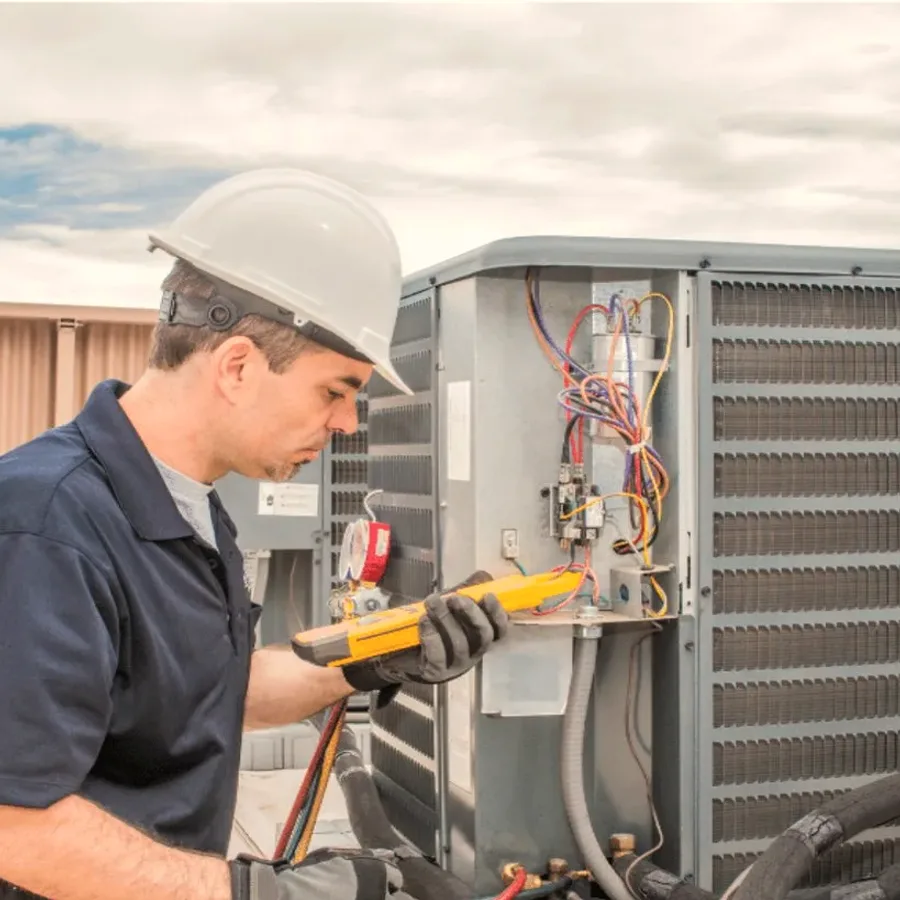
Describe the work first, then confirm the people, timing, and terms before making a commitment.
Send the location, equipment, symptoms or planned changes, and who can approve the work. Existing labels and service records help define the request.
The enquiry team reviews the request and shares it with a relevant service provider for follow-up using your contact details. Confirm contractor coverage, qualifications and how the property will be assessed before agreeing to an appointment.
Ask which findings support the work, what is included or excluded, and how completion will be checked. Agree on pricing and terms with the contractor.
Start with the installed equipment and its manufacturer instructions. Maintenance needs depend on the appliance and its use. Keep service records and ask a qualified contractor which seasonal inspections apply.
When requesting work for a property in Milton or nearby Guelph, Georgetown and Fergus, include the finished lower level in the room-by-room design instead of treating its area as an automatic addition to nominal capacity. Ask how the proposed distribution reaches its occupied spaces and how sensors or zones respond. Document drainage, electrical, and service-access implications within the completed basement layout.
Record the model, system type, operating mode, displayed faults, and when the symptom occurs. A professional inspection can check sensors, contactors, defrost controls, airflow, and refrigerant-circuit operation. For replacement, the assessment also considers the building heat load, duct condition or ductless zones, and equipment rating. These findings distinguish a component fault from a system-design decision.
Icing and weak heating can relate to outdoor-coil conditions, a defrost board, a sensor, airflow, or another control fault. The timing and pattern of icing, operating mode, and any fault indication help guide professional testing. A contactor or board fault may be repairable without replacing the whole unit, but diagnosis should confirm the cause rather than treating every iced coil as the same failure.
A replacement assessment should use the building's heat load and identify whether the system is ducted or ductless. Existing ductwork condition can affect the scope of a ducted installation; a ductless design needs a suitable zone and indoor-unit layout. Cold-climate and standard equipment have different operating characteristics, so the intended heating role and manufacturer data matter when comparing options.
A repair-versus-replacement comparison should include the confirmed fault, equipment condition, available compatible parts, and refrigerant type. Older equipment using a refrigerant with limited availability may affect repair planning, but does not alone determine replacement. Maintenance should follow the manufacturer's instructions and inspection findings, including coil and control checks where applicable; refrigerant work and internal electrical service are for qualified professionals.
Share the property location and the work you need so the request can be reviewed.